You Don't Need 10,000 Steps. Here's the Number That Actually Matters
The 10,000-step goal isn't based on science. It came from a Japanese pedometer marketing campaign in the 1960s called "manpo-kei" — literally "10,000-step meter." No study ever proved that number was the magic threshold. So what actually happens to your body at 5,000 steps, or 7,000, or 8,000?

Photo by Radik 2707 on Pexels
Researchers have now answered that question directly, and the real number is both lower and more forgiving than you'd think.
The Study That Changed the Target: 4,400 Steps, Not 10,000
In 2019, Harvard researcher I-Min Lee and her team fitted nearly 17,000 women, average age 72, with hip accelerometers and tracked them for over four years. The results, published in JAMA Internal Medicine, were striking: women who averaged about 4,400 steps a day had a 41% lower risk of death during the study compared to the least active group, who took roughly 2,700 steps.
Here's the part that surprises most people: the benefit kept climbing with more steps, but it flattened out around 7,500 steps per day. Beyond that point, walking more didn't add a meaningful survival edge. You don't need five digits — you need consistency well below that.
The 2025 Update: 7,000 Steps and a 47% Drop in Risk
A much larger analysis has since confirmed and sharpened this picture. A 2025 systematic review and meta-analysis in The Lancet Public Health, pulling together 57 studies across 35 cohorts, found that people who walked 7,000 steps a day had a 47% lower risk of all-cause mortality compared to those walking only 2,000 steps.
For adults 60 and older specifically, the researchers found something even more useful: mortality risk drops steepest between 6,000 and 8,000 steps, with reductions in that range hitting over 42%. Past roughly 8,000 steps, the curve keeps improving but much more slowly — you're chasing diminishing returns, not disaster.
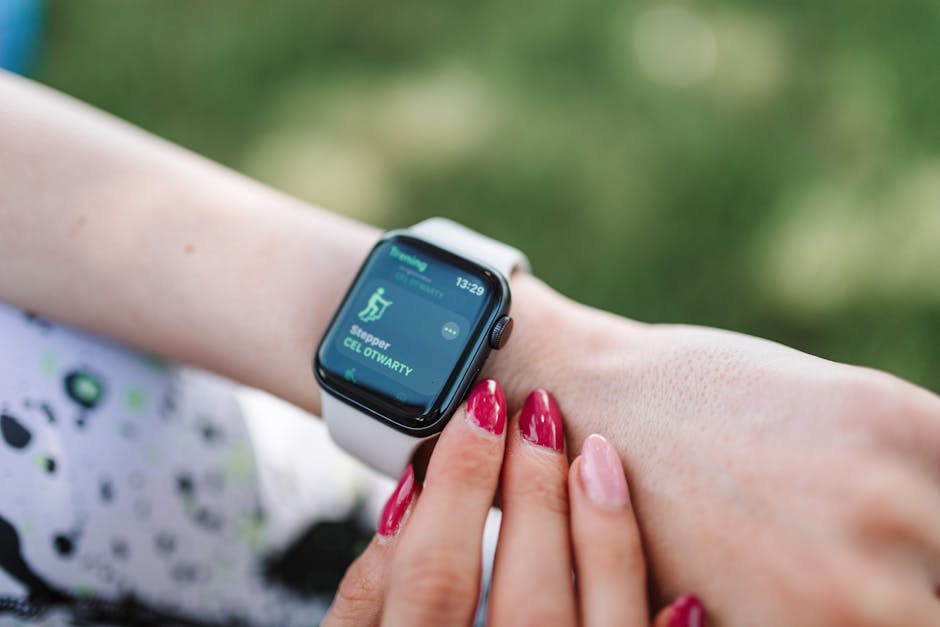
Photo by www.kaboompics.com on Pexels
Why This Matters More If You Track Your Walking Speed Too
Step count and pace aren't measuring the same thing, and that's exactly why they're worth tracking together. As I covered in Your Walking Speed Might Predict How Long You'll Live, gait speed reflects strength, balance, and cardiovascular reserve in a single number. Step count reflects something different: how much you're actually moving across your whole day, not just how well you move when you do.
A person can have a strong, fast gait and still barely leave the couch. Total daily steps catch that gap. Think of gait speed as your engine quality and step count as how often you actually drive the car.
Where Your Steps Are Probably Hiding Right Now
Most people underestimate how many steps they already take just living their life — and overestimate how hard it is to close the gap to 7,000. A few realistic ways to find another 1,500–2,000 steps without a dedicated "workout":
- Park at the far end of the lot — adds roughly 200-400 steps per errand, twice if you go somewhere and back
- Walk during phone calls — a 10-minute call while pacing indoors adds close to 1,000 steps
- One extra loop around the block after dinner — a flat 10-minute neighborhood loop is typically 800-1,200 steps
- Take the stairs one flight, then the elevator — small, sustainable, and it counts
- Do errands on foot when they're under half a mile — post office, pharmacy, mailbox runs
None of this requires new shoes, a gym membership, or a training plan. It requires noticing where your day already has 10-minute gaps and filling them with movement instead of sitting.
What This Doesn't Mean
This isn't a license to stop there if you're already doing more. If you're walking 10,000+ steps a day and enjoying it, the data doesn't say to cut back — it just says you've already banked the bulk of the survival benefit well before that point, so don't let a missed step goal feel like a failed day.
It also isn't a substitute for the strength work that protects your muscle and balance as you age — walking and resistance training solve different problems, and you need both.
Your One Move for Today
Check your phone or watch right now for yesterday's step count — most phones track this automatically even if you've never opened the health app. If you're under 5,000, don't aim for 10,000 tomorrow. Aim for one deliberate 10-minute walk, which gets most people 60% of the way to the 7,000-step range where the real benefit lives.


Comments
Post a Comment