Get Dizzy Standing Up? 1 in 5 Seniors Have This, Ignored
You stand up from the couch, the room tilts for a second, and you grab the armrest until it passes. Most people shrug this off as "just getting older." It's actually a measurable medical condition, it has a name, and it's linked to something far more serious than a wobbly moment — dementia risk.
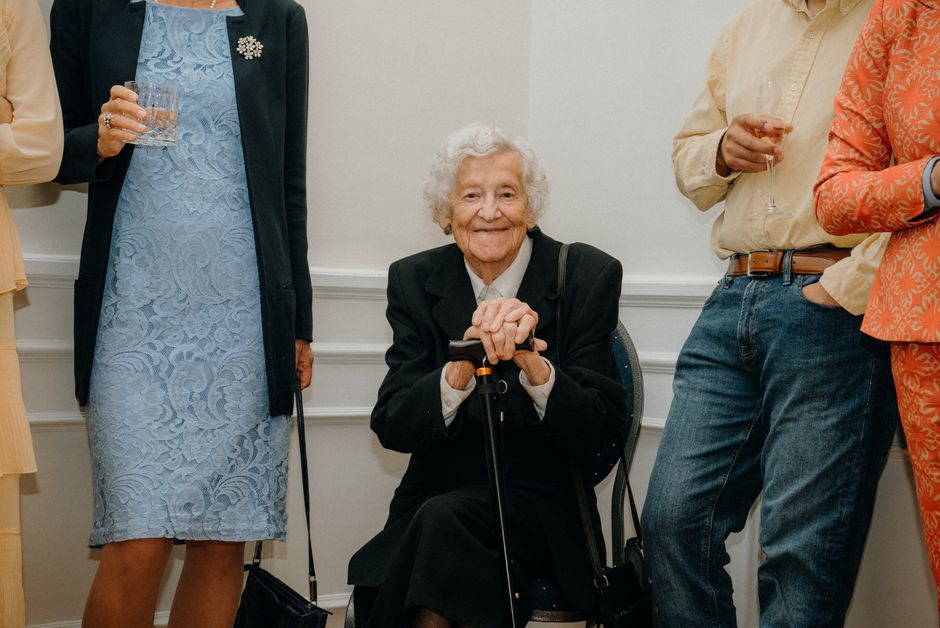
It's called orthostatic hypotension, and it's not rare. A systematic review and meta-analysis published in Age and Ageing found the condition affects roughly 20-22% of community-dwelling older adults, and some studies using continuous blood pressure monitoring put the number closer to 29%. That's not a fluke or a one-off — it's a real drop in blood pressure your body is failing to correct fast enough.
What's Actually Happening When the Room Tilts
When you stand up, gravity pulls roughly 500-1000 mL of blood down into your legs and abdomen almost instantly. In a younger body, blood vessels constrict and the heart rate ticks up within seconds to compensate. In an aging body, that reflex slows down — baroreceptor sensitivity declines, blood vessels get stiffer, and medications for blood pressure or prostate issues can blunt the response further.
The clinical definition is specific: a drop of at least 20 mmHg in systolic pressure (the top number) or 10 mmHg in diastolic pressure within three minutes of standing. You don't need a hospital to check this — a home blood pressure cuff and a willingness to measure lying down, then again one and three minutes after standing, is enough to catch it.
Why This Is About More Than Just Dizziness
Here's the part that should get your attention: this isn't just an annoyance to work around. Orthostatic hypotension is a documented fall risk — a systematic review and meta-analysis in the Journal of the American Medical Directors Association confirmed a significant association between the condition and falls in older adults, and a separate 3-year follow-up study found people with orthostatic hypotension had meaningfully higher fall rates than those without it.
That connects directly to what I wrote about in Can You Stand on One Leg for 10 Seconds? Here's Why It Matters — balance and blood pressure regulation are two separate systems that both fail quietly, and both show up as "just getting older" until a fall happens.
The dementia link is the part almost nobody talks about. A population-based study published in PLOS Medicine tracked adults for 25 years and found that having orthostatic hypotension at baseline was associated with a 15% higher risk of developing dementia over time — including both Alzheimer's disease and vascular dementia. The leading theory is that repeated brief drops in blood flow to the brain, happening every time you stand up for years, add up to cumulative small-vessel damage.

Photo by Alexas_Fotos on Pixabay
The Three-Minute Test You Can Do at Home Today
You don't need a doctor's appointment to screen for this. Here's the actual protocol clinicians use:
- Lie down flat for 5 minutes, then measure your blood pressure.
- Stand up and measure again immediately, then again at 1 minute, then again at 3 minutes.
- A systolic drop of 20 mmHg or more, or a diastolic drop of 10 mmHg or more, at any of those points is a positive result.
If you get a positive result, that's worth bringing to your doctor — especially if you're on blood pressure medication, alpha-blockers for prostate symptoms, or antidepressants, since these are common contributors.
Simple Countermeasures That Actually Work
According to guidance summarized in the American Family Physician's practical approach to orthostatic hypotension, you don't need medication to see real improvement in most mild-to-moderate cases:
- Change positions in stages — sit on the edge of the bed for 30-60 seconds before standing, rather than going straight from lying to standing.
- Cross your legs and clench your calf and buttock muscles right after standing — this physically squeezes blood back up out of your legs.
- Stay hydrated — even mild dehydration reduces blood volume and makes the drop worse.
- Elevate the head of your bed by a few inches at night, which can reduce the overnight blood pressure swings that make morning symptoms worse.
- Go easy on alcohol, which dilates blood vessels and can significantly worsen symptoms.
None of these require a prescription, and most people notice a difference within days of adding the leg-cross-and-clench habit alone.
Where This Fits With Everything Else You're Already Tracking
If you've been paying attention to your walking speed or your grip strength as early signals of how you're aging, add this to the list. Unlike those two, this one takes three minutes and a $20 blood pressure cuff to check — no gym, no stopwatch, no guesswork.
The takeaway for today: the next time you stand up and the room swims for a second, don't just wait it out and move on. Grab a blood pressure cuff, do the lying-then-standing check this week, and if the numbers cross that 20/10 threshold, bring it to your doctor before it becomes a fall — or worse.


Comments
Post a Comment