That Chicken Breast at Dinner Won't Save Your Muscles After 60
Here's a number that surprises most people: if you're over 60, eating 30 grams of protein in one sitting does something a 25-year-old's body doesn't need — it crosses a threshold your muscles won't respond to below. Eat less than that at a meal, and your body barely bothers building new muscle from it, no matter how much protein you eat later that day.
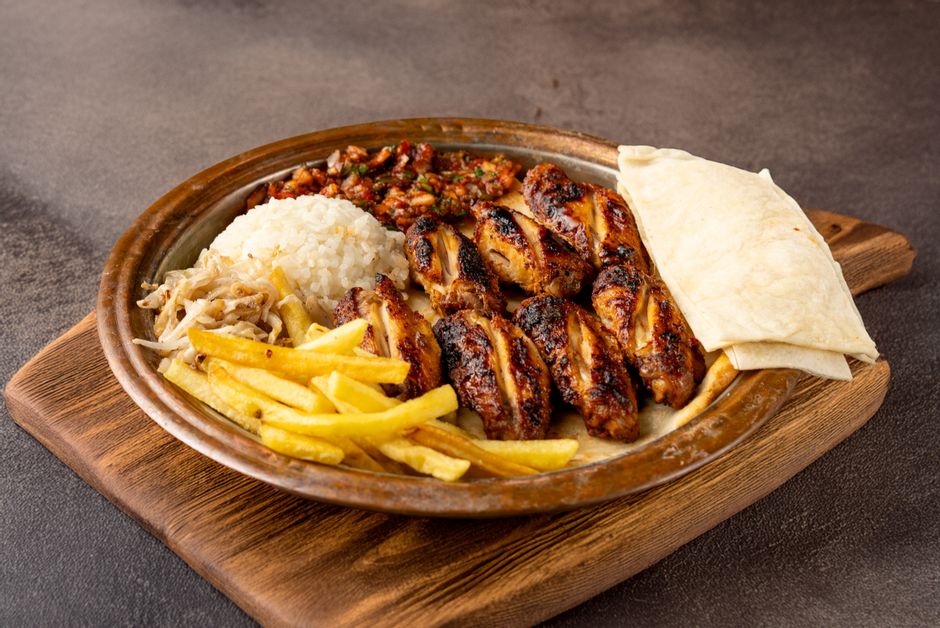
This matters because most people over 60 eat protein backwards. A small bowl of cereal for breakfast, a sandwich for lunch, and then a big steak or chicken breast at dinner. The math adds up to "enough protein" on a nutrition label. But your muscles don't experience the day as a total — they experience it meal by meal, and by dinner, most of that protein is arriving too late to do its job well.
Why your muscles need more protein per bite than they used to
As we age, muscle becomes less responsive to protein — a phenomenon researchers call anabolic resistance. Older muscle needs a noticeably bigger dose of amino acids to trigger the same building response that a smaller dose would trigger in a younger person's body.
The key trigger is an amino acid called leucine, found in protein-rich foods like meat, eggs, dairy, and fish. Research on this leucine threshold has found that older adults typically need about 3 grams of leucine — roughly 25 to 30 grams of protein — in a single meal to meaningfully switch on muscle protein synthesis. Below that amount, the response is real but much weaker.
To put 25-30 grams in perspective:
- A cup of Greek yogurt: about 20 grams
- 3 eggs: about 18-19 grams
- A palm-sized chicken breast (about 100g): roughly 30 grams
- A typical bowl of cereal with milk: often under 10 grams
- A slice of toast with peanut butter: around 8-9 grams
That cereal-and-toast breakfast most people default to isn't close to the threshold — which means the first several hours of your day, muscle-wise, are essentially a wash.
The breakfast problem nobody talks about
This connects directly to something I've written about before — if you're already losing 3-8% of your muscle mass per decade, skipping the leucine threshold at breakfast and lunch, then trying to make up for it at dinner, is quietly making that decline worse than it needs to be.
Research looking at real eating patterns backs this up: older adults who eat more protein specifically at breakfast and lunch tend to hit meaningfully higher total daily protein intakes overall, compared to those who skew protein toward dinner. In other words, front-loading protein isn't just theoretically better for muscle synthesis — it also tends to drag your whole day's intake up with it.

Photo by Sara32_jabar on Pixabay
So does spacing protein evenly actually build more muscle?
Here's where it gets honest: the evidence isn't fully settled. Some studies show that spreading protein evenly across three meals — say, 25-30-25 grams instead of 10-15-60 — produces a better 24-hour muscle protein synthesis response than one big dinner-heavy meal. But at least one 8-week randomized controlled trial found that protein distribution pattern didn't significantly change lean body mass, strength, or physical function in older adults over that timeframe.
The most honest takeaway: total daily protein intake still matters most. But hitting the per-meal threshold at breakfast and lunch — not just dinner — is a low-effort way to stack the odds in your favor, and there's no real downside to trying it. Given how much is already working against muscle retention as we age, it's a change worth making even without a guaranteed effect on the scale.
What "enough protein at breakfast" actually looks like
Most people don't need a protein shake to hit 25-30 grams in the morning — they just need a different plate. A few realistic swaps:
- Swap cereal for 3 eggs plus a slice of toast (around 26-28 grams)
- Add a cup of cottage cheese or Greek yogurt alongside your usual breakfast
- Make lunch a can of tuna or a chicken salad instead of just a sandwich with a thin deli slice
- If you genuinely can't eat that much food in the morning, a protein shake or bar with 20+ grams is a legitimate shortcut — this is one of the few cases where a supplement is solving a real, specific problem rather than a marketing one
The PROT-AGE recommendation most people have never heard of
The PROT-AGE Study Group — an international panel of aging and nutrition researchers — recommends that healthy older adults aim for 1.0 to 1.2 grams of protein per kilogram of body weight per day, higher than the general adult RDA of 0.8 g/kg. For someone weighing 70 kg (about 154 lbs), that's roughly 70-84 grams a day — and the per-meal threshold research suggests that total should be split so at least two, ideally three, meals clear the 25-30 gram mark rather than one meal doing all the work.
This also ties into grip and strength changes I've covered before — as I discussed in Your Handshake Might Predict Your Lifespan Better Than Your Cholesterol, the strength you're protecting with better protein timing isn't just about looking fit. It's one of the more reliable markers doctors use to gauge how well you're aging overall.
What to do today
Look at what you ate for breakfast this morning and ask honestly: did it clear 25 grams of protein? If not, that's the one meal worth fixing first — not because dinner doesn't matter, but because it's the meal most people are shortchanging without realizing it. Add eggs, Greek yogurt, or cottage cheese tomorrow morning, and you've already closed the gap your muscles have been quietly working around for years.


Comments
Post a Comment