You're Losing 3-8% of Your Muscle Every Decade. Here's the Fix
Here's a number that should get your attention: after age 30, you lose roughly 3-8% of your muscle mass every single decade, and that rate speeds up once you hit 60, according to Harvard Health. By your 80s, some people have lost close to a third of the muscle they had in their 30s. It has a name — sarcopenia — and most people have never heard of it until a doctor mentions it after a fall.
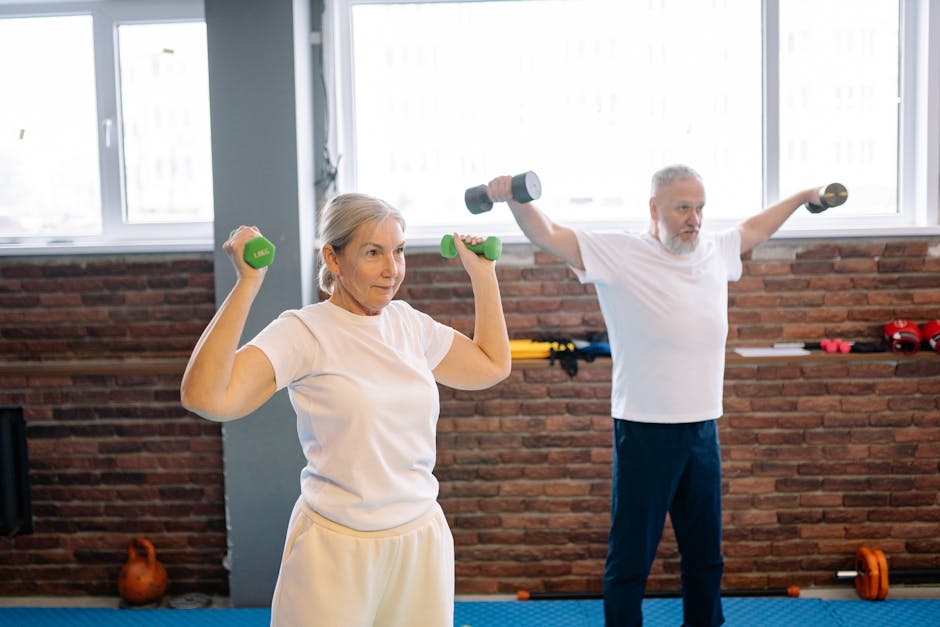
Photo by Yan Krukau on Pexels
This isn't just about looking less toned in a swimsuit. Muscle is what gets you out of a chair, up a flight of stairs, and off the floor if you trip. It's also directly tied to two things I've already written about: how your handshake might predict your lifespan and why your walking speed predicts how long you'll live. Grip strength and gait speed aren't random quirks — they're proxies for how much muscle you're carrying and how well it works. Sarcopenia is the "why" behind both of those numbers.
Why Muscle Disappears Faster Than You'd Think
The decline isn't linear. Loss accelerates noticeably around age 60, and between 65 and 80 you can lose as much as 8% per decade if you're inactive, per the same Harvard Health data. Women get hit with a second wave around menopause — the drop in estrogen removes some of the natural protection muscle tissue had, so the decline steepens between ages 50 and 55.
Right now, sarcopenia affects an estimated 5-13% of adults over 60, and that jumps to 11-50% of people over 80, depending on the population studied. It's not rare. It's just quiet — you don't feel it happening until a jar lid won't budge or a curb suddenly feels like a step you have to think about.
The Protein Number Almost Nobody Follows
The standard U.S. dietary recommendation for protein — 0.8 grams per kilogram of body weight — was designed to prevent deficiency, not to preserve muscle in an aging body. It's not enough once you're past 60.
A study of women aged 60-75 with sarcopenia compared that standard 0.8 g/kg intake against a moderately higher 1.2 g/kg intake over 12 weeks, and found the higher-protein group showed significantly better muscle mass composition. That tracks with the broader research: most experts now recommend 1.0 to 1.2 grams of protein per kilogram of body weight daily for healthy older adults, and 1.2 to 1.5 g/kg if you're actively exercising or recovering from illness.
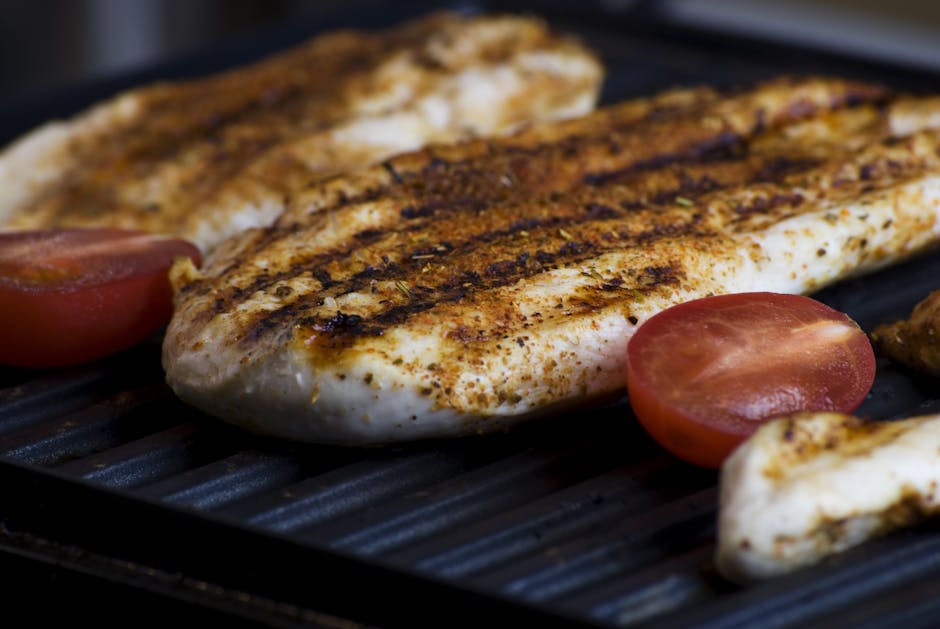
In practical terms, for a 150-pound person (about 68 kg), that's roughly 80-100 grams of protein a day — spread across meals, not crammed into dinner. A few ways to get there:
- Eggs at breakfast (6 grams each) instead of just toast and coffee
- Greek yogurt as a snack — about 15-20 grams per cup
- A palm-sized portion of chicken, fish, or tofu at lunch and dinner
- A protein shake or cottage cheese if meals alone don't get you there
You Don't Need the Gym Five Days a Week
This is the part that surprises people: research shows resistance training just two times a week is enough to make a real difference. A dose-response analysis found that training one to two times weekly at moderate-to-high intensity, for at least 12 weeks, produced meaningful gains in grip strength and physical function in older adults with sarcopenia — and two sessions per week is now considered a reasonable standard prescription for this age group.
That's a low bar most people can actually clear. Two 30-minute sessions using resistance bands, bodyweight moves (sit-to-stands, wall push-ups), or light dumbbells beats an ambitious five-day plan you abandon in three weeks.
What This Has to Do With Your Balance and Your Back
Muscle loss doesn't stay isolated to your arms or legs — it changes how your whole body moves. Weak hip and core muscles are part of why balance gets shakier with age, which is the same territory I covered in Can You Stand on One Leg for 10 Seconds? If you struggled with that test, sarcopenia is a likely piece of the puzzle, not just "getting older."
The same goes for spine health. Strong core and back muscles are what keep your spine stable during everyday movement, which connects directly to what I wrote about in Herniated Disc? Twisting Hurts It, Walking Helps It — walking works partly because it engages muscle groups that a sedentary day never touches.
The Test You Can Do at Home Right Now
You don't need a lab to get a rough sense of where you stand. Try the sit-to-stand test: sit in a chair with your arms crossed over your chest, then stand up and sit back down as many times as you can in 30 seconds. For adults 60-69, fewer than 12-14 repetitions is a signal worth paying attention to; for 70-79, fewer than 10-12. It's not a diagnosis, but it's a far better early warning than waiting for a fall.
One Thing to Do Today
Pick one meal today and add a real protein source to it — two eggs instead of cereal, a scoop of Greek yogurt with your fruit, a can of tuna in your lunch. Then pencil in two 20-minute strength sessions this week, even if it's just bodyweight squats and wall push-ups in your living room. That's the entire prescription the research supports — nothing fancier is required to start pushing back against sarcopenia.


Comments
Post a Comment